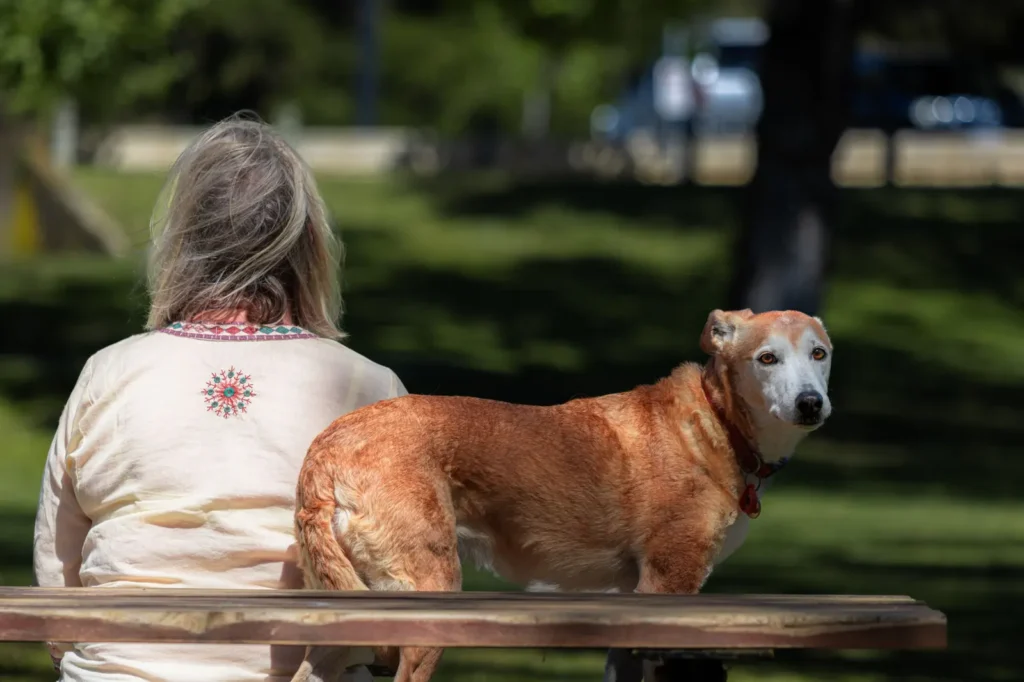
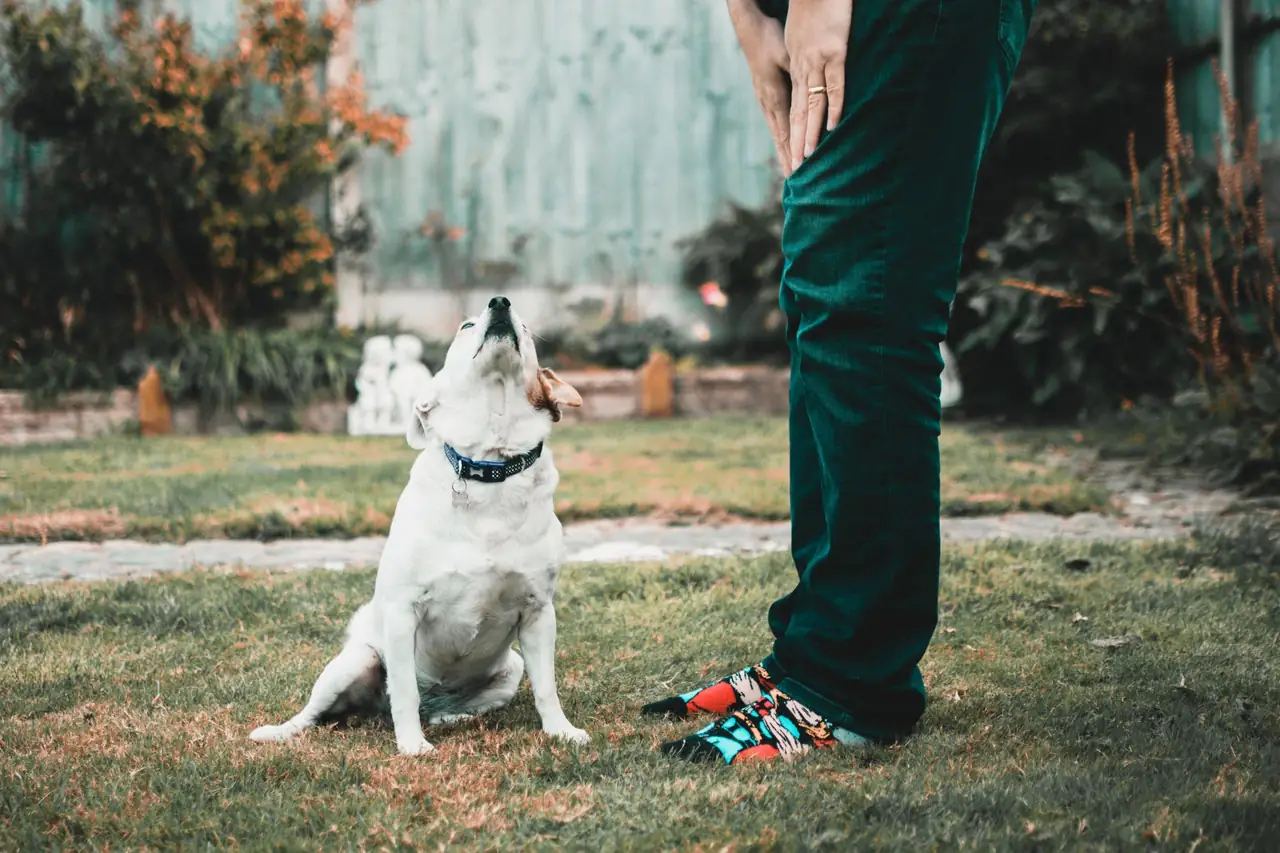
Your pet can’t tell you when something feels wrong. They can’t say “this has been bothering me for a few days” or “it’s worse after meals.” Everything we know about how they’re feeling comes from what we observe.
Which means observation isn’t a passive thing you happen to do. It’s a skill, and like any skill, it gets better with practice and attention.
Why small changes get missed
Most illness doesn’t announce itself; it creeps in. A little more thirst than usual, slightly less enthusiasm on a walk, one or two soft stools, a bit more time spent sleeping. Any single one of these, on its own, is easy to write off as “probably nothing.” And often, it is nothing. But patterns of small changes, tracked over time, are frequently how early disease actually reveals itself — long before anything looks dramatic enough to obviously be “a problem.”
The issue isn’t that owners aren’t paying attention. It’s that without something to compare against — a memory, a note, a baseline — small gradual changes are genuinely hard for anyone to notice reliably. We adapt to gradual change; that’s a very normal, very human blind spot, not a failure of attentiveness.
What’s actually worth watching
You don’t need to monitor everything obsessively. A useful baseline covers a handful of things that tend to shift early when something’s brewing:
- Appetite and thirst — more, less, or pickier than their normal pattern
- Energy and enthusiasm — for walks, play, greeting you at the door
- Toileting — frequency, consistency, straining, accidents
- Sleep — how much, and how easily they settle
- Behaviour and mood — clinginess, irritability, hiding, vocalising more or less than usual
- Physical changes — weight, coat condition, gait, posture, new lumps or bumps
Why writing it down matters more than remembering it
Memory is a poor record-keeping system, especially under the low-grade stress of “is something wrong with my pet.” A simple note — date, what you noticed, how long it lasted — turns a vague sense of “hasn’t seemed right lately” into something concrete and useful. It also lets you spot a pattern that would otherwise be invisible: is this the third time this month, or the first?
You don’t need anything elaborate. A notes app, a notebook by the door, a running note on your phone. The format matters far less than the habit of writing something down when you notice it, not trying to reconstruct it two weeks later in a consulting room.
Don’t self-select what’s “worth mentioning”
This is probably the most important habit of all: bring the small stuff to your vet, even if you’ve half-decided it’s probably nothing. You’re not wasting anyone’s time. A detail that seems disconnected or minor to you can be exactly the piece that makes sense of a bigger picture to someone trained to look for patterns across many patients.
Vets would always rather hear about ten things that turn out to be nothing than miss the one thing that wasn’t.
Where this is going
This category exists to walk through specific symptoms in depth: what they can mean, what’s likely benign, and what’s worth acting on. But all of that starts here — with the habit of actually noticing, tracking, and speaking up. Your pet is telling you things constantly. Learning to listen is most of the work.